
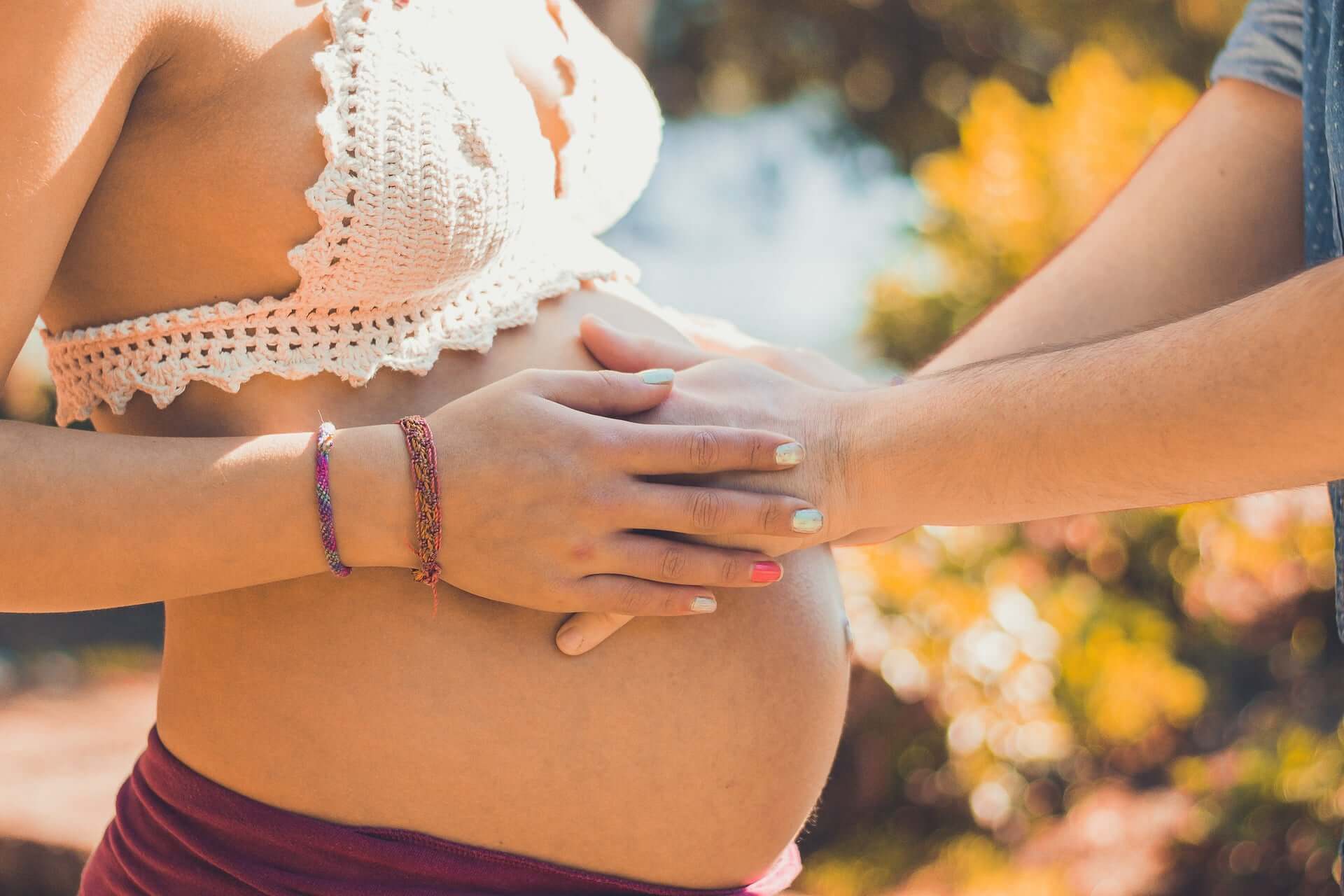
The postpartum period is a time of profound physical and emotional change for new mothers. As your body adjusts to the demands of recovery and breastfeeding, prioritizing nutrition and diet becomes more important than ever. In this blog, we’ll explore the significance of postpartum nutrition and offer practical tips for nourishing your body during this transformative phase of motherhood.
1. Understanding Postpartum Nutrition:
Nutrition plays a crucial role in supporting your body’s recovery process after childbirth. Your body requires an abundance of nutrients to heal from labor and delivery, replenish depleted stores, and support lactation if you choose to breastfeed. Optimal nutrition also helps stabilize mood, boost energy levels, and promote overall well-being during the postpartum period.
2. Focus on Nutrient-Dense Foods:
When planning your postpartum diet, prioritize nutrient-dense foods that provide essential vitamins, minerals, and antioxidants. Incorporate a variety of fruits, vegetables, whole grains, lean proteins, and healthy fats into your meals and snacks to ensure you’re meeting your body’s increased nutritional needs. Foods rich in iron, calcium, omega-3 fatty acids, and vitamin D are particularly beneficial for postpartum recovery and lactation.
3. Hydration is Key:
Staying hydrated is essential for supporting milk production, preventing constipation, and promoting overall health during the postpartum period. Aim to drink plenty of water throughout the day, and consider incorporating hydrating beverages such as herbal teas, coconut water, and infused water with slices of fruit or cucumber. Pay attention to your body’s thirst cues and drink fluids regularly to maintain optimal hydration levels.
4. Eat Regular, Balanced Meals:
As a new mother, it’s easy to prioritize your baby’s needs over your own, but nourishing yourself with regular, balanced meals is essential for maintaining energy levels and supporting physical recovery. Aim to eat three nutritious meals per day, along with healthy snacks as needed to keep hunger at bay and stabilize blood sugar levels. Include a combination of protein, carbohydrates, and healthy fats in each meal to promote satiety and provide sustained energy throughout the day.
5. Listen to Your Body:
During the postpartum period, your body may have unique nutritional needs and preferences based on factors such as breastfeeding, sleep deprivation, and hormonal fluctuations. Pay attention to how different foods make you feel and adjust your diet accordingly. Incorporate foods that make you feel energized and satisfied, while avoiding those that may cause digestive discomfort or exacerbate postpartum symptoms.
6. Practice Gentle Nutrition:
Above all, practice gentle nutrition and self-compassion as you navigate the challenges of the postpartum period. Give yourself permission to enjoy occasional treats and indulgences without guilt, and trust your body’s intuitive wisdom to guide your food choices. Focus on nourishing your body with love and kindness, rather than rigid dietary rules or restrictions, and remember that balance and moderation are key principles of healthy eating during this transformative phase of motherhood.
Conclusion:
In summary, postpartum nutrition plays a vital role in supporting your body’s recovery and promoting overall well-being during the postpartum period. By prioritizing nutrient-dense foods, staying hydrated, eating regular, balanced meals, listening to your body’s cues, and practicing gentle nutrition, you can nourish yourself from the inside out and lay the foundation for optimal health and vitality as you embrace the joys and challenges of new motherhood.